
Screenshots
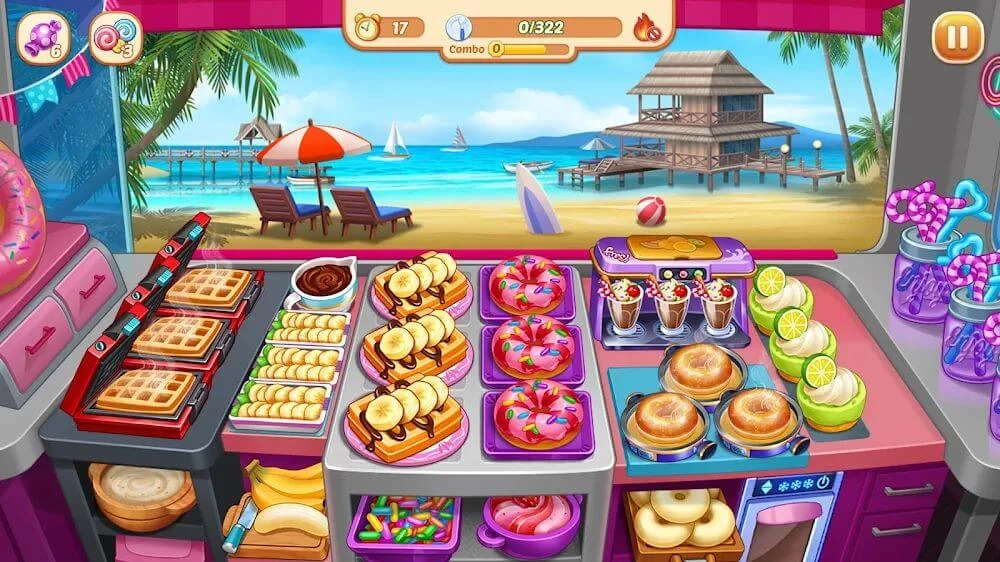
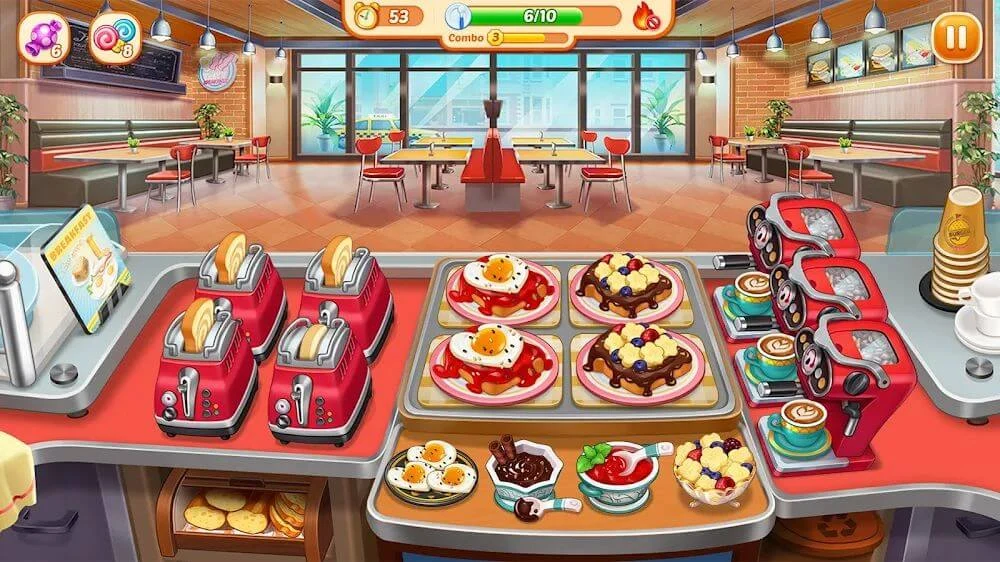
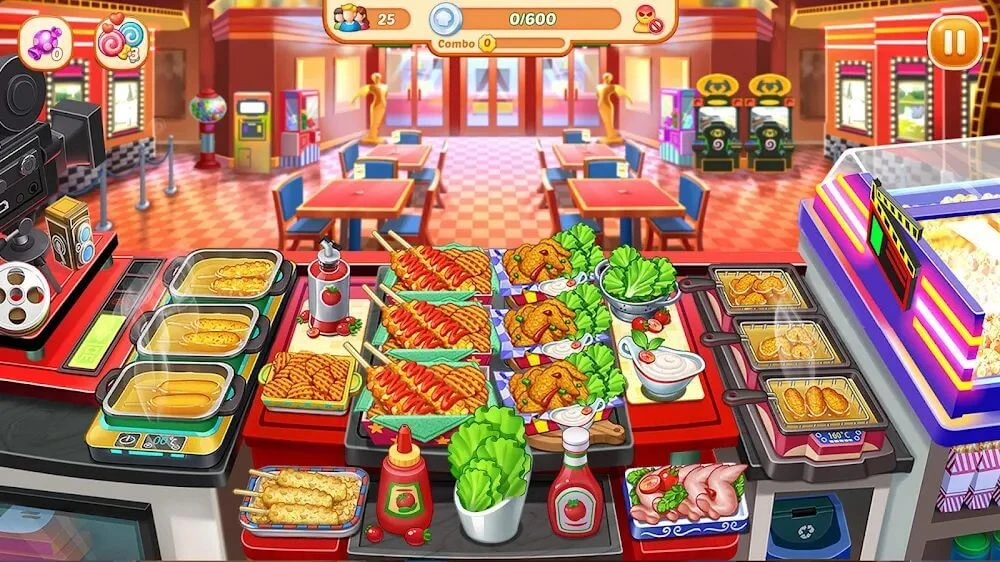
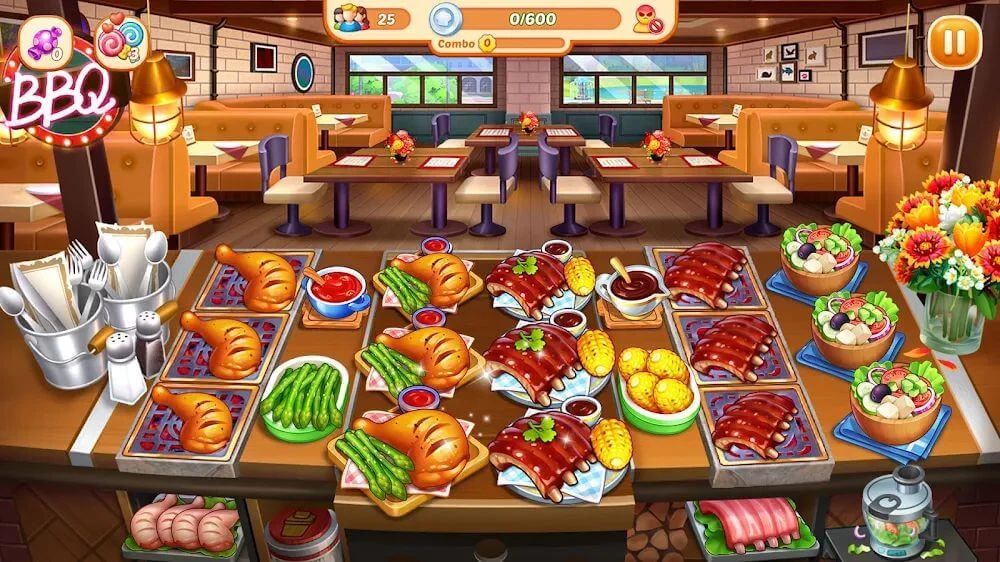
About this app
Cook and serve against the clock
Crazy Diner centers on running restaurant service: take customer orders, prepare the requested food, collect dishes from the kitchen, and serve them while customers are waiting. Each level places a time limit on cooking, so the order of these actions matters. Players tap food items, mechanisms, and tools to carry out the cooking and serving steps. The pace increases as the game progresses, making accuracy and quick handling more important when requests arrive close together.
Customers have patience limits, and serving them promptly helps earn their likes and tips. Levels also have individual targets, so success is not only about getting food out quickly in general; players need to check what a particular stage asks them to achieve. The combination of a timer, incoming orders, and level objectives shapes each round into a short service challenge.
Manage ingredients and busy orders
The menu includes different dishes and ingredients, with recipes introduced as players progress. Some orders require a base food item to be served with one or more sides or additions. The source describes corn dogs and fried chicken as examples, with options such as ketchup, chips, mayonnaise, and salad. Preparing base items before customers request them can reduce waiting during busy stretches. When a cooking station becomes available, starting another batch can also help keep food ready for later orders.
Preparation is only one part of handling a rush: players must also track what customers ordered, retrieve completed dishes, and serve them in time. Customer preferences and patience differ, while later levels bring more customers and food requests. The game’s challenge therefore comes from coordinating several service steps under a time limit, rather than from cooking a single recipe in isolation.
Level targets and serving streaks
Each stage has a target that players can use to guide their approach. For example, some levels focus on collecting coins. Serving dishes quickly in succession builds a streak meter, and keeping a streak requires serving the next dish within a few seconds of the previous one. Longer chains can contribute to coin-focused goals, although the number of customers arriving affects how easily a sequence can be maintained.
Because targets vary, the same service routine may not be equally useful in every stage. A player can review the level objective before starting and then prioritize preparation, speed, or a steady run of consecutive servings accordingly. The game gradually raises the difficulty, testing both cooking pace and the ability to respond to changing service demands.
Upgrade restaurant equipment
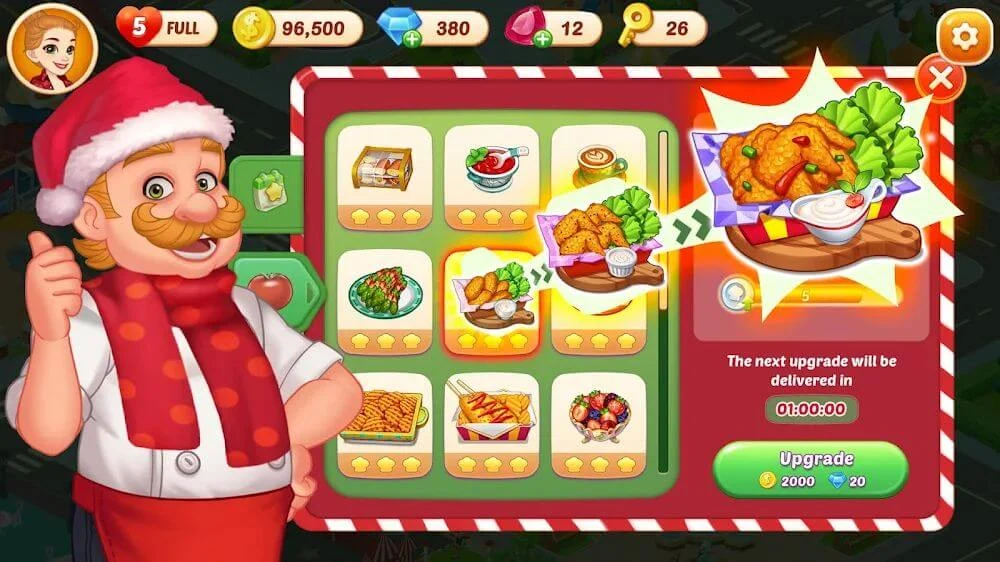
Completing levels provides rewards, including cash that can be put toward improvements. Upgrades cover kitchen utensils and food items. Equipment improvements can add cookers and plates, with the source stating a maximum of three for each, and can make food production faster. These changes affect how much preparation the kitchen can handle and how quickly dishes become available. Food-item upgrades are also listed, though the source does not specify every effect they have.
Upgrades connect restaurant management to the timed levels: a more capable kitchen can support the work of preparing and serving multiple orders. Players still need to handle the taps and customer requests, but equipment improvements change the tools available for that work. Tips and level rewards provide the stated means of investing in the restaurant over time.
Recipes, regions, and restaurant variety
Progression includes unlocking additional regions, restaurants, ingredients, and recipes. The game presents a range of foods and spices, and the source says players can adjust spice amounts to make dishes distinctive to their restaurant. Rare foods and spices can also be unlocked or purchased. Decorations are mentioned as another way to shape the restaurant’s presentation, alongside the food collection.
As players travel to new areas, they can encounter further recipes and foods, giving the menu more variety to manage in later service challenges. The source also describes keeping recipes in a growing recipe book and recording cooking activity. These collection and record-keeping elements sit alongside the main loop of preparing orders, serving customers, and meeting timed level targets; they do not replace the restaurant work that drives each stage.
Version history
View all02 Feb 2026 · stable