
Screenshots
About this app
Jurassic Island: Survival centers on surviving and exploring a dangerous prehistoric island populated by dinosaurs and other wild animals. The game presents this setting as a block-based 3D world where players hunt, fish, gather resources, craft equipment, and search for a place to make their home.
Exploring the prehistoric island
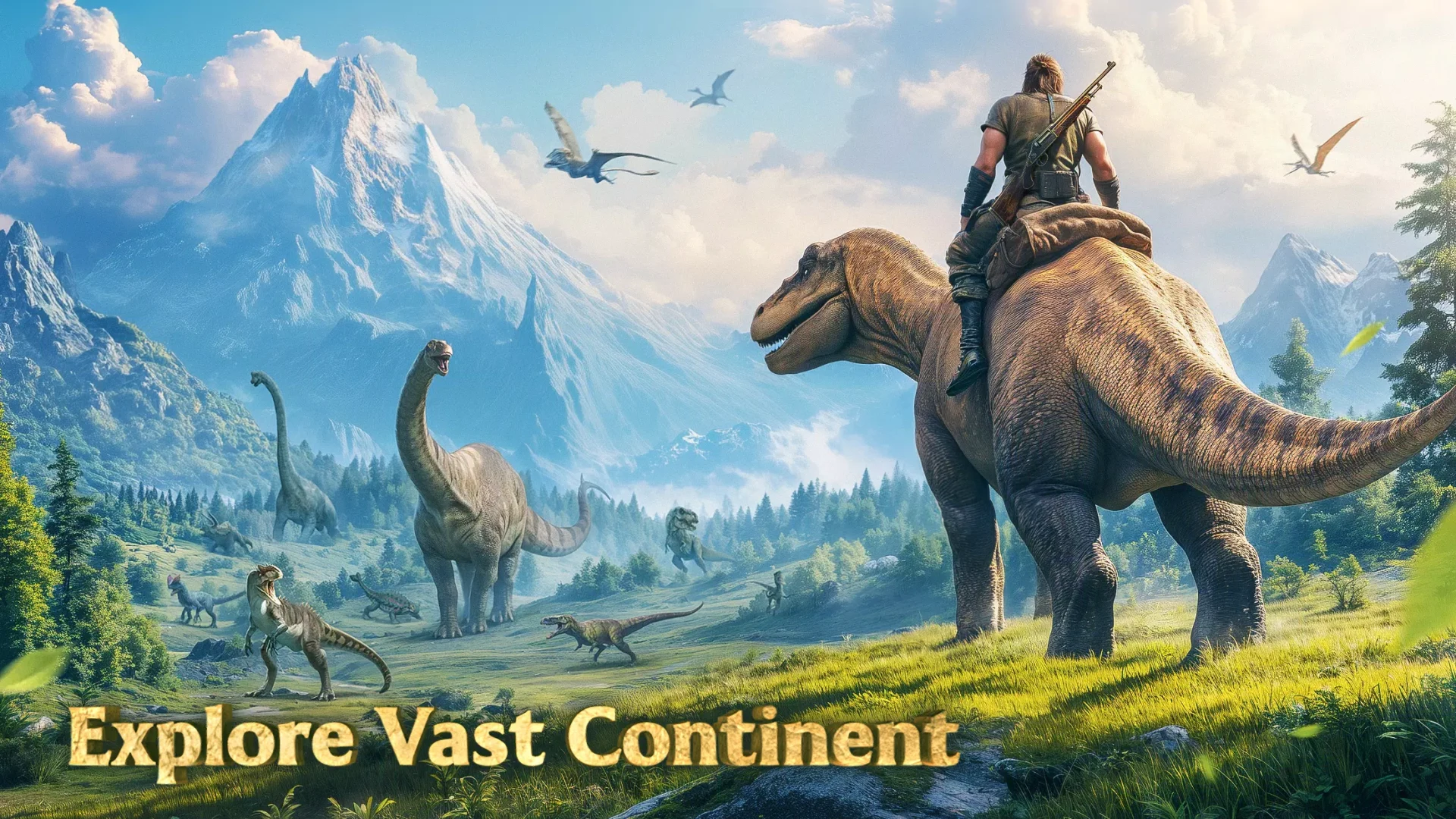
Exploration takes place across broad areas with different environments, including dense jungles, snow-covered mountains, and hot deserts. These regions are described as having their own ecosystems and dinosaur species. While moving through the island, players can look for food, water, recipes, weapons, tools, and materials that support survival and crafting.
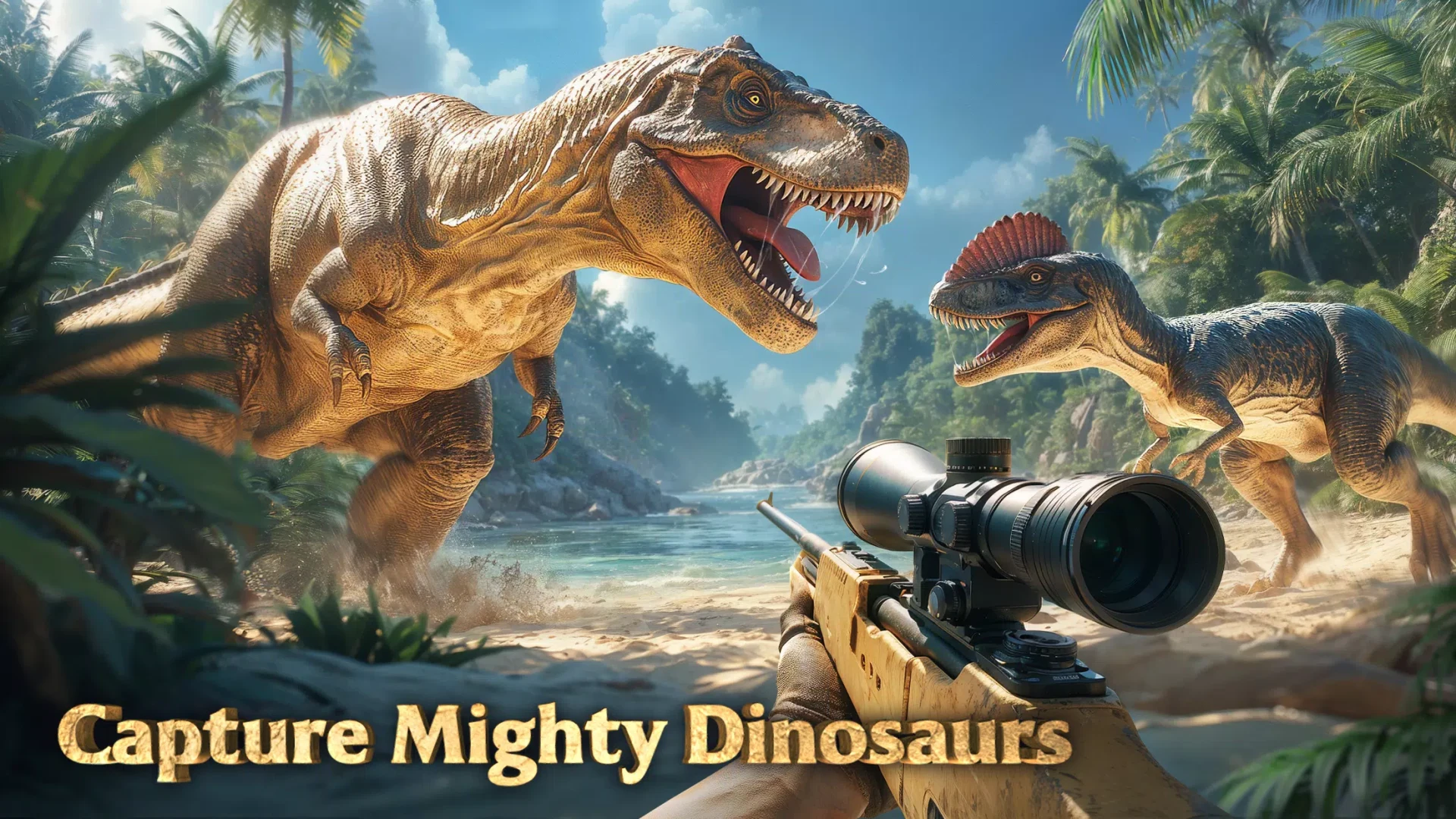
The island is hazardous rather than purely scenic. Tyrannosaurus Rex, Velociraptors, Pterodactyls, Stegosaurus, and other dinosaurs are named among the creatures players may encounter. Other wild animals also inhabit the environment. Bushes and caves can be used as places to hide, while planning and alertness are presented as important parts of dealing with the island's dangers.
Managing survival needs
Hunger and thirst are explicit survival concerns. Players need to search for food and water, and the description also identifies hunting, fishing, and gathering as ways to obtain food. Recipes found during exploration can unlock additional equipment, connecting resource collection with the creation of tools and other survival items.
Players can make clothing to keep warm and use makeshift materials to create weapons, tools, and other crafts. Weapons and tools can also be found during exploration. The source describes recycling equipment as another way to handle these items, although it does not define the exact recycling process.
Building and storing supplies
A building system allows players to establish and furnish a shelter. Furniture can be placed to decorate and equip the living space, so shelter construction is described as more than simply finding somewhere to sleep in the wilderness.
Storage boxes provide a separate way to protect collected items. Items carried by the player can be lost when things go wrong, while loot placed in a storage box remains available if the player has to start over. This creates a documented distinction between carried supplies and stored supplies.
Taming, breeding, and improving dinosaurs
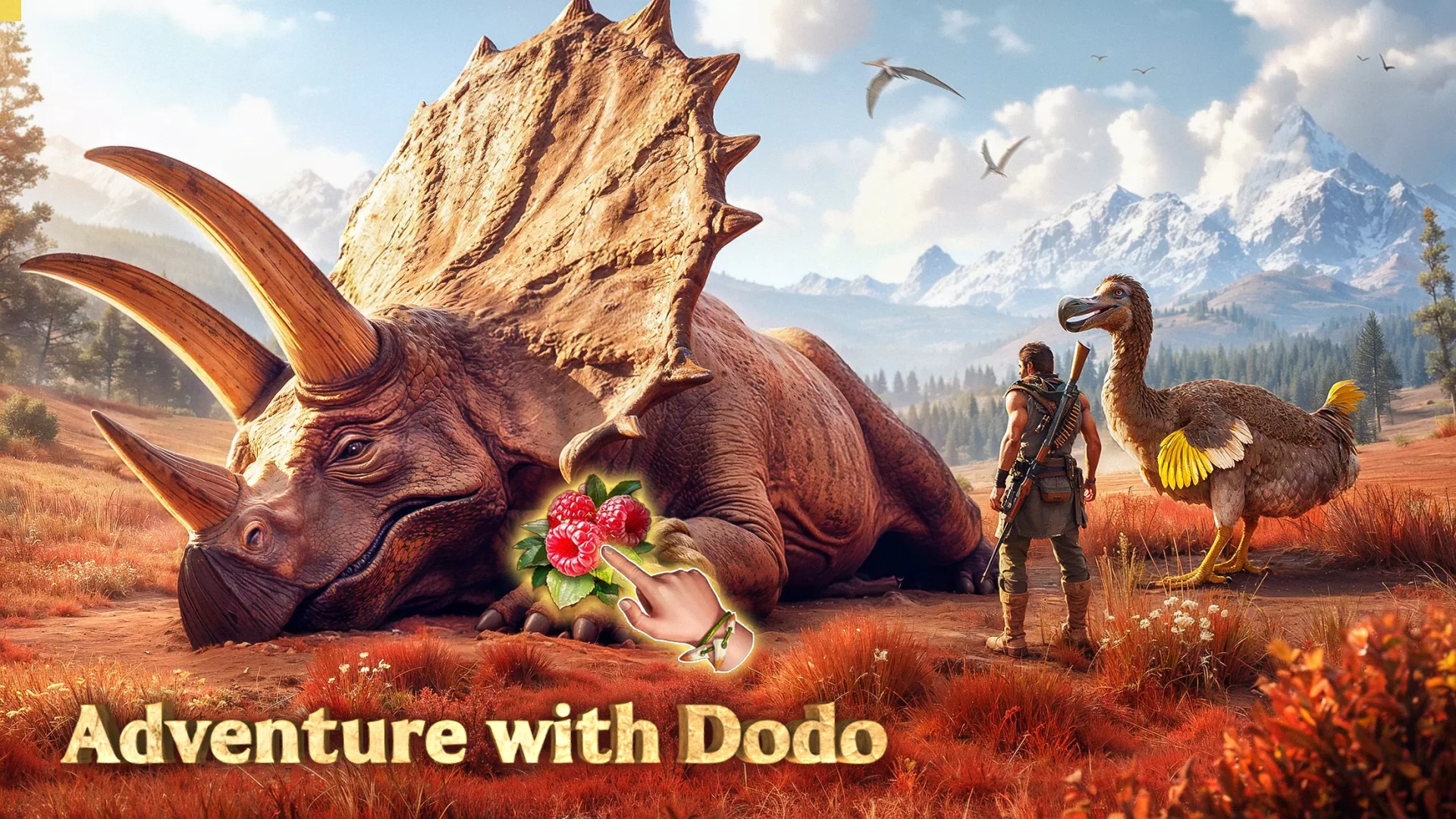
The game includes dinosaur taming, with creatures ranging from docile herbivores to dangerous carnivores. The source describes exclusive species in different continents and refers to hundreds of dinosaur species overall. Players can improve dinosaur attributes, tame higher-ranking creatures, and breed new generations with distinctive traits.
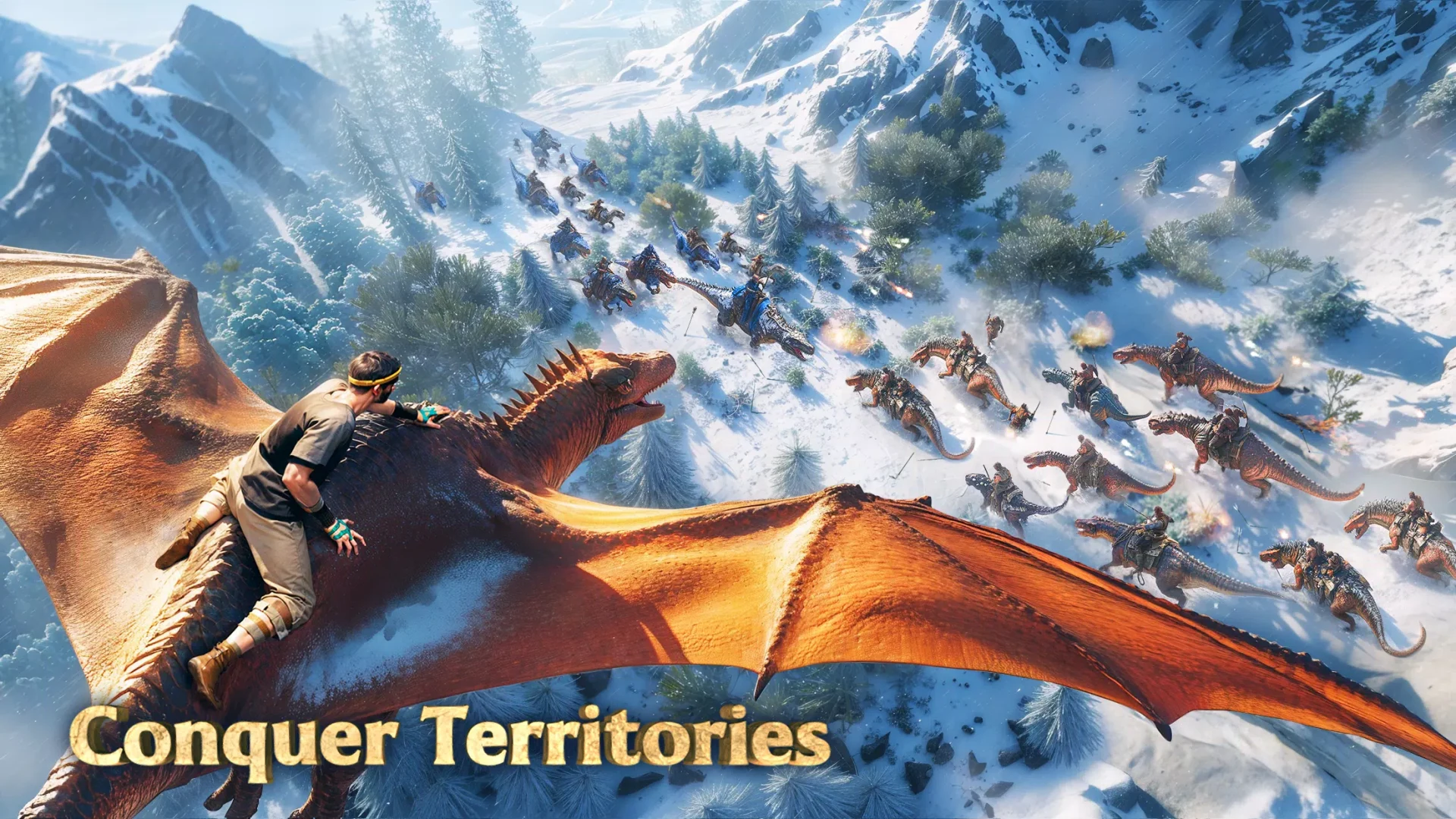
Tamed dinosaurs can be assembled into a dinosaur army. Equipment may be crafted and upgraded for both the survivor and the dinosaurs, with the stated purpose of improving combat strength. The description therefore connects exploration and resource gathering with the longer-term development of a collection of creatures and equipment.
Different approaches to island conflict
The survival path can be approached as a lone survivor, or players can form alliances and communities with other players. The multiplayer-oriented description mentions cooperation, resource trading, and shared efforts to overcome obstacles, but it does not specify the exact rules for forming or managing these groups.
Territory conflict is also described as a separate challenge. Players can contest and defend territory, strengthen defenses, make strategic plans, and lead a tribe in battles against other players while attempting to expand control across the island. The source also refers to various game modes and unlockable map scenarios, although it does not provide their individual objectives or rules.
Presentation and progression
The game uses 3D animated graphics with a deliberately blocky, pixel-inspired presentation. Trees, buildings, dinosaurs, equipment, and survivors are described as being made from cubes or blocks. Progression includes upgrading the survivor, improving dinosaur attributes, crafting and upgrading equipment, breeding new generations, and accessing unlockable rewards and map scenarios. These systems frame survival as an ongoing process of exploration, preparation, creature development, and conflict.
Version history
View all19 May 2026 · stable
Frequently asked questions
Which dinosaur species are specifically mentioned?
The source names Tyrannosaurus Rex, Velociraptors, Pterodactyls, and Stegosaurus, while also referring to many other dinosaur species.
Can players play with other people?
The description says players can form alliances and communities, cooperate, trade resources, and compete with other players over territory.