
Screenshots
About this app
My Time at Portia puts you in charge of your father’s dilapidated workshop and gives you a practical goal: restore it while building a new life in the town of Portia. The game combines resource gathering, crafting, farming, exploration, combat, and social activities, so progress is not tied to one type of task. You can collect materials for commissions, improve your tools, grow crops, raise animals, expand your workshop, and get to know residents with their own routines and stories. This mixture makes the game useful for players who enjoy setting their own priorities while gradually developing a character, a home, and a working business.
Rebuilding the workshop through daily work
The workshop is the center of the game. You collect resources from the surrounding world and use them to craft items requested by Portia’s residents. Completing commissions helps you serve the town while improving your reputation with customers, and finishing them quickly can lead to better reputation and happier customers. Workshop upgrades expand what you can make and support more demanding projects as new recipes, skills, and construction options become available.
Resource preparation is an important part of the routine. Materials such as Copper Bars and Iron Bars are useful to keep in reserve, along with gathered items and animal loot that may be needed for later crafting. Tool upgrades also have a direct practical effect: improved tools require fewer hits to chop or quarry materials, while Pickaxe upgrades increase the resources gained from each swing in the Abandoned Ruins. This means that investing in equipment can make both everyday gathering and longer exploration sessions more efficient.
Crafting, farming, and workshop expansion
Crafting works alongside several other systems rather than standing alone. Farming provides another way to manage resources, while home building and decoration allow you to shape a personal living space. You can also raise animals and develop the workshop with machines and additional upgrades. The Tree Farm is especially useful once its missions are completed and it is upgraded or supported, because it can provide daily wood and other crafting materials, supplies for powering machines, and food for livestock after it becomes fully grown.
Progress often involves preparing materials before you need them. Some components take time to produce, so a productive day can include starting a machine, gathering resources, tending crops, completing a commission, and exploring while production continues. This structure lets different activities support one another instead of requiring the player to remain focused on a single objective.
Exploration, ruins, and combat
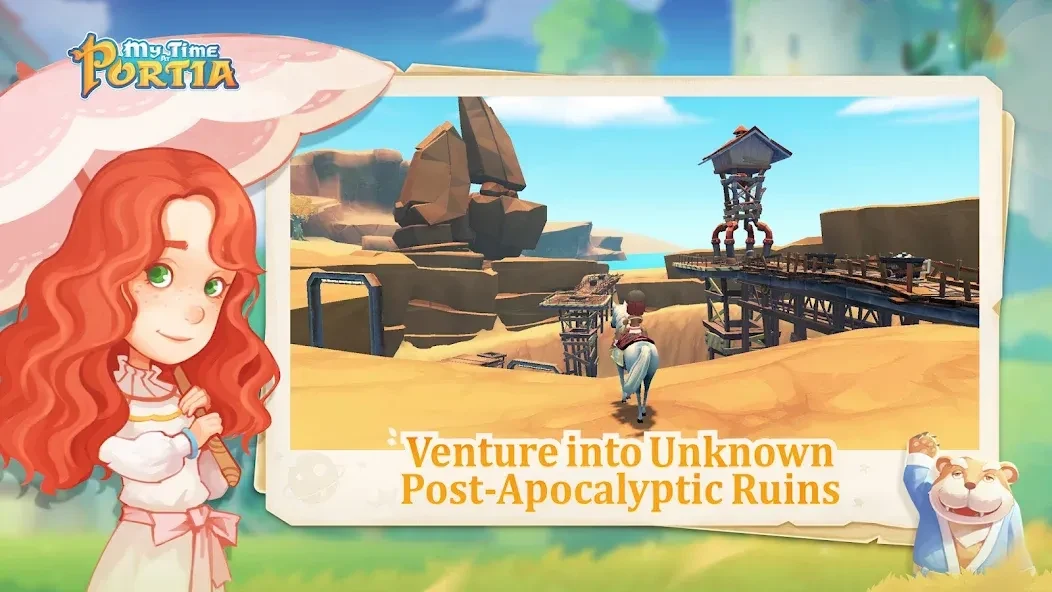
Portia’s world includes areas such as forests and beaches, as well as ruins where players can search for resources and relic pieces. Exploration contributes to the wider lore of the setting and is connected to quests, crafting, and equipment improvement. Environmental puzzles and monster battles add challenges beyond ordinary gathering, giving the game an action-oriented side alongside its simulation activities.
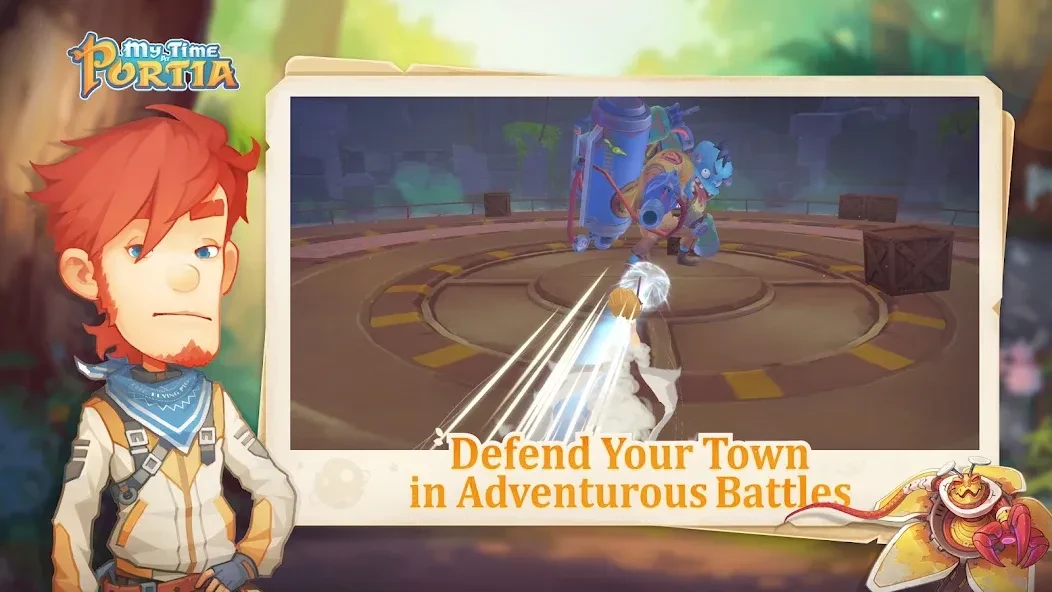
Combat is part of the exploration loop, particularly when seeking materials in dangerous areas. The source material describes the combat as intuitive and reasonably satisfying, although repeated fights can become routine when searching for specific resources. Tool improvements remain valuable in the ruins because a stronger Pickaxe can increase the amount collected from each swing, helping exploration serve both discovery and material gathering.
Managing money, stamina, and materials
The in-game market gives gathered and crafted goods a changing value. Prices can range from 70% to 140%, so buying when the market is low and selling when it is high can improve the return from trading. Keeping commonly needed materials in storage also reduces the chance of being unprepared when a commission or construction project appears.
Stamina management shapes how much can be accomplished in a day. Sitting on furniture restores stamina, and the massage chair sold by Best Brother provides a faster recovery rate when the game uses its default speed. The roping activity at McDonald Ranch is another optional way to manage resources: it costs five stamina, pauses in-game time, and rewards successful captures of cows and calves with milk. Capturing all ten cattle, including at least four cows, can produce a stated net gain of 61 stamina points, and the activity can be repeated.
Relationships, festivals, and town life
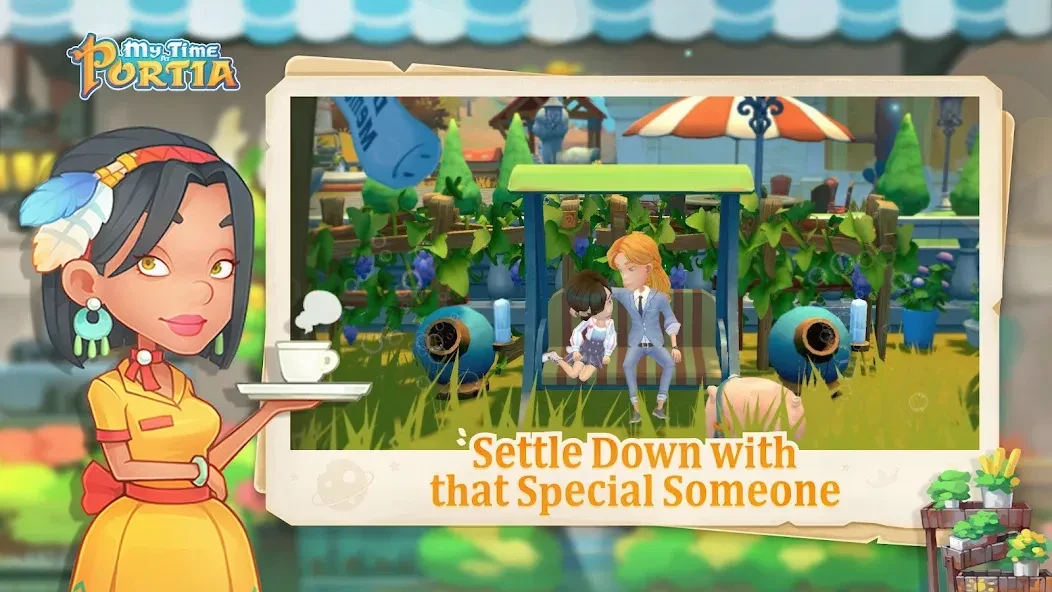
Portia’s residents are part of the progression system rather than background characters. You can complete requests, exchange gifts, make friends, and potentially marry characters in town. Residents have individual stories and daily routines, while different friendships provide different relationship benefits. Giving villagers favorite items is one way to strengthen those connections, and gifts are worth double relationship points during festival days.
Festivals provide activities and rewards that complement the regular workshop schedule. Taking part can be useful even when the event is not directly connected to crafting, because rewards may support later tasks and the social system gives you reasons to return to town. The game also includes holiday events and additional gameplay content introduced through updates, while new outfits for the player character and non-player characters provide more opportunities for visual customization.
Touch controls and the mobile presentation
The Android version is designed for touchscreen play, with controls intended to support movement, gathering, crafting, and navigation on a mobile device. The source describes the adaptation as retaining the character of the original PC experience while bringing its environments and gameplay to mobile. Portia’s visual presentation includes detailed environments, colorful landscapes, forests, beaches, and a post-apocalyptic setting that contrasts with the friendly atmosphere of the town.
Because the game combines a sizeable world with crafting and exploration systems, the source recommends paying attention to the device specifications needed for suitable performance. It also notes that updates address gameplay issues and introduce changes such as additional outfit options and improvements related to technical problems or resource upgrades. These details are relevant when considering how the mobile version handles a game with many connected systems.
Practical routines for new builders
A balanced routine can make the workshop easier to manage. Keep a modest stock of bars, gathered materials, and animal drops instead of selling every item immediately. Upgrade tools early when possible, since the reduced number of hits can save stamina and time. Watch the market before making larger purchases or sales, and use festivals to combine activities with relationship building.
It is also worth checking useful locations during ordinary town trips. A Copper or Bronze Bar may appear each day in one of Higgins’s Industrial Furnaces outside his workshop, and it can be picked up if you reach it before he returns between 9:00 and 9:45. The roping game offers another short activity when stamina and time need to be considered carefully. These smaller opportunities fit naturally into a broader schedule of crafting, gathering, social visits, and exploration.
A broad life-simulation adventure
My Time at Portia is built around gradual improvement rather than a single narrow objective. Restoring the workshop unlocks more crafting possibilities, crafting supports commissions and construction, exploration supplies resources, and relationships add another reason to participate in town life. Farming, animals, home building, festivals, market timing, and combat give the daily schedule variety, while the open world provides room to decide which activity should come next.
The game is therefore best suited to players who want a blend of crafting and life-simulation systems with adventure elements. It offers a friendly community, resource-focused progression, personal customization, and a world where workshop projects connect to exploration and social activities. Players should expect to manage materials, stamina, and schedules as part of the experience, while the mobile version’s recommended specifications remain relevant for playing comfortably on an Android device.
Version history
View all01 Sep 2026 · stable
Frequently asked questions
What do you do in My Time at Portia?
You restore your father’s workshop by gathering resources, crafting items for commissions, upgrading tools, farming, raising animals, exploring ruins, and developing relationships with Portia’s residents.
Can you build relationships with the residents of Portia?
Yes. You can complete requests, exchange gifts, make friends, and potentially marry characters. Residents have their own stories and routines, and different friendships provide different relationship benefits.
Does My Time at Portia include farming and home building?
Yes. Farming, animal raising, home building, decoration, and workshop expansion are among the systems that become available as you progress.
What is the market range mentioned for trading?
The source states that the market price can range from 70% to 140%. It recommends buying when prices are low and selling when they are high.
How does the roping mini game work?
At McDonald Ranch, the roping activity costs five stamina and pauses in-game time. You use a lasso on cows and calves while letting other animals pass, earning milk for successful captures.
Does the Android version support touch controls?
Yes. The mobile adaptation includes controls designed for touchscreen navigation and crafting.