
Screenshots
About this app
Terra Nil is a simulation game about restoring a barren wasteland through ecological technology and careful planning. Instead of gathering resources to build a conventional city, you place machines that purify poisoned soil, cleanse water, grow vegetation, and create habitats for animals. The landscape changes from a lifeless area into a functioning ecosystem as you meet each map’s restoration goals. Procedurally generated terrain, varied regions, hand-painted environments, tranquil music, and ambient sounds give every session a distinctive and peaceful challenge centered on renewal rather than expansion.
How do you begin restoring the wasteland?
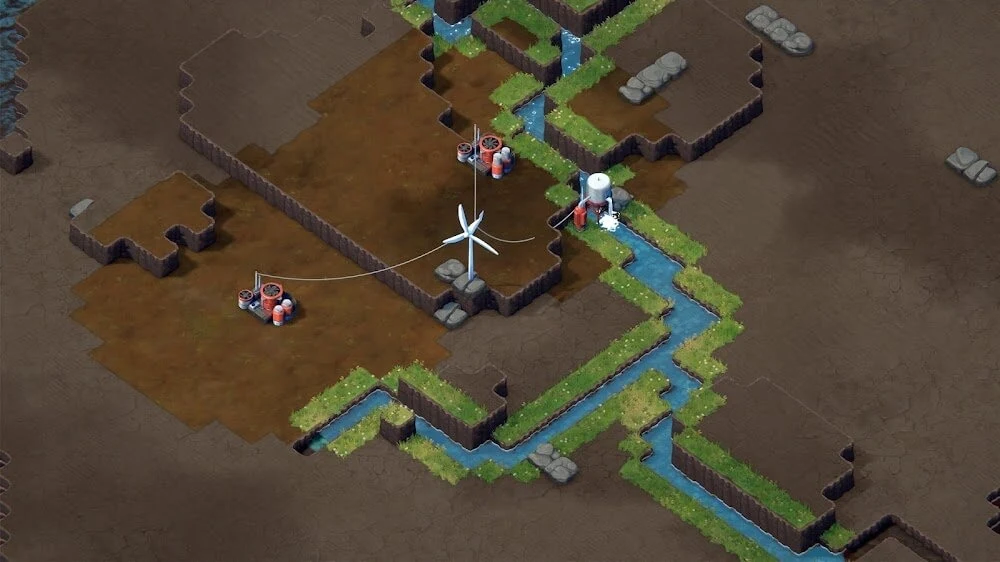
Each game presents a procedurally generated piece of land with terrain that can include rivers, mountains, valleys, lowlands, and oceans. The starting river valley begins with three main tile types: poisoned soil, dry riverbeds, and rocks. Because turbines can initially be placed only on rocks, and rocks may be limited, the opening moves require careful consideration of where to establish power and how to expand your options.
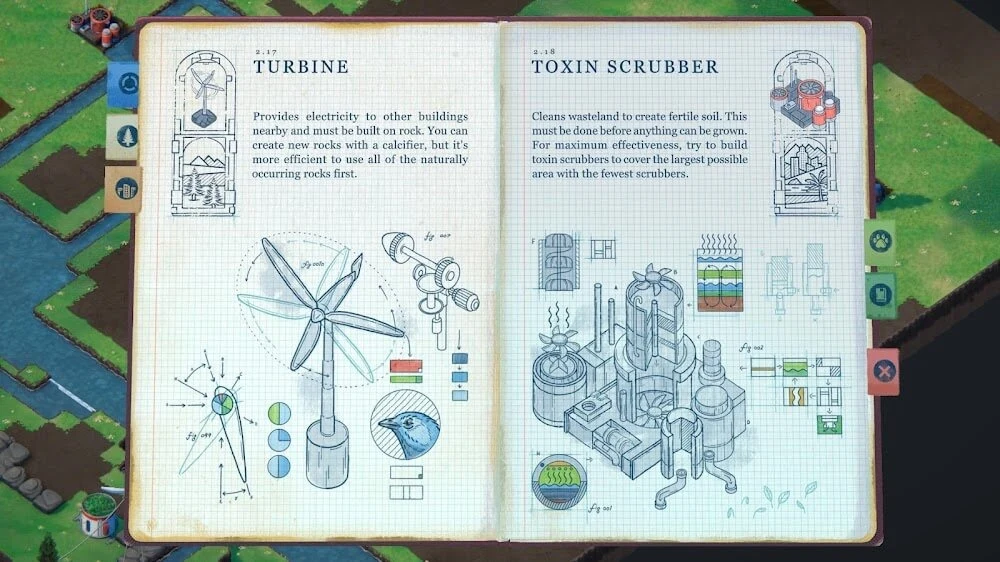
The initial set of six tools supports the first stage of restoration. A turbine provides electricity, a toxic scrubber cleanses the surrounding wasteland, and a greenhouse plants greenery while helping you earn more currency. The other three tools unlock additional locations for turbines. Difficulty affects building costs, so the same restoration plan may require different resource decisions depending on the selected setting.
What ecological technologies and goals shape each map?
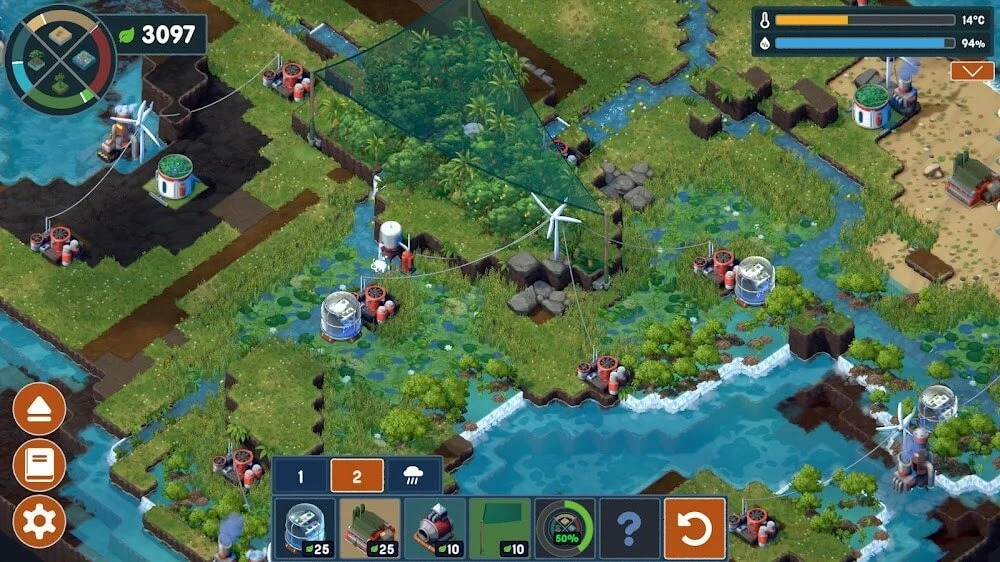
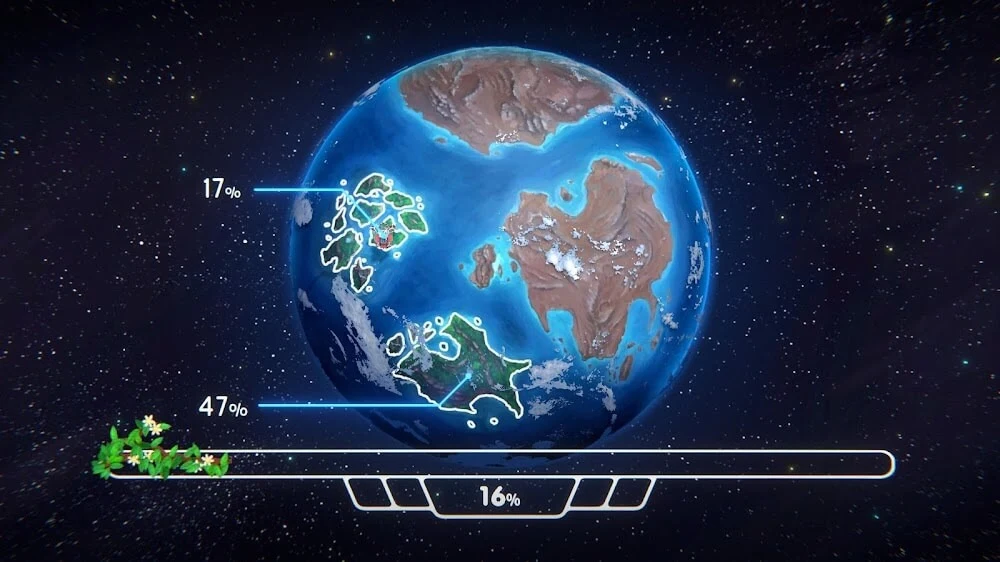
Terra Nil provides different technologies for purifying toxins in soil or water and for growing varied forms of flora. You earn currency by creating greenery, then use it to place and develop more structures. As the ecosystem expands, you must plan machine placement around the available terrain and work toward the required percentage of greenery for the level.
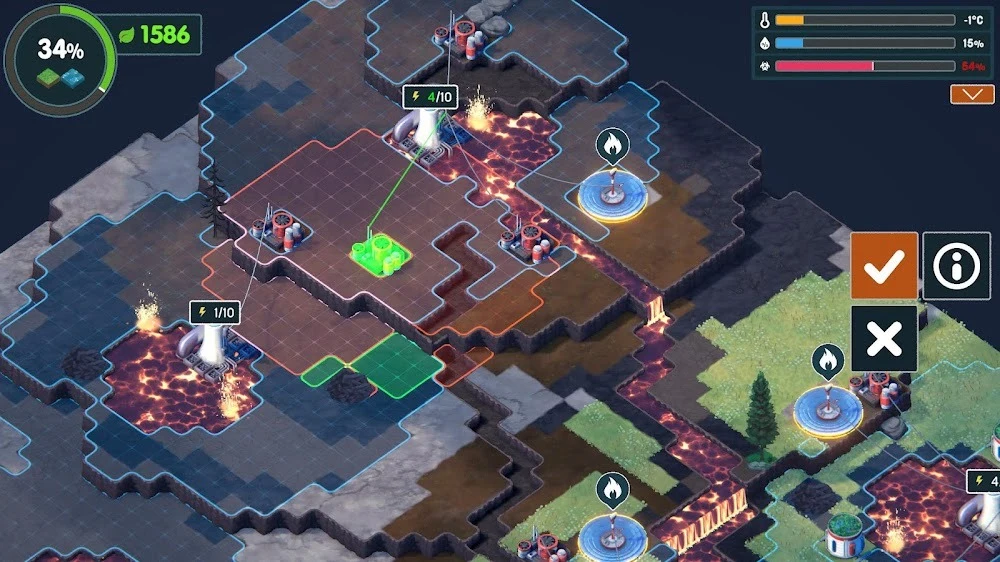
Later maps introduce more advanced tiers of machines and additional restoration objectives. Beyond the basic river valley, regions include a desolate island, a volcanic glacier, and a flooded post-apocalyptic city. Each area has its own goals, along with distinct flora and fauna to observe as the environment recovers.
What makes the building system different from a traditional city builder?
The game reverses the usual resource-gathering approach found in city-building simulations. Rather than harvesting local materials while potentially damaging the surrounding environment, you use advanced machines to help natural resources return. Your progress depends on arranging structures strategically, improving soil and water conditions, and creating enough greenery to complete the restoration.
Resource management remains important throughout a mini-game. The supplied guidance emphasizes prioritizing soil purification to create fertile grasslands, adapting placements to each map’s terrain, and using structures efficiently. Buildings can be recycled when they are no longer needed, making room for other technologies while supporting the wider restoration plan.
What happens when a restoration is complete?
Terra Nil’s recycling system is part of the objective rather than an optional cleanup step. At the end of each mini-game, your tools are broken down and recycled, and your structures are taken down as well. The intention is to leave behind an untouched habitat instead of a permanent collection of human-built facilities.
This closing stage gives each level a clear progression: reclaim the land, establish the required ecosystem, and remove the machinery used to create it. The restored environment, including its greenery and animal habitats, becomes the visible result of the planning that came before it.
Who may find Terra Nil useful?
Terra Nil may suit players who enjoy simulation games built around strategic placement, changing terrain, and gradual environmental transformation. Its randomly generated maps provide different rivers, mountains, valleys, and other landscape arrangements, while the varied regions introduce new goals, machines, flora, and fauna.
The hand-painted presentation, soothing soundtrack, and ambient mood audio support a calm atmosphere, but the game still asks you to manage currency, building costs, limited turbine locations, and restoration targets. It may therefore appeal to people looking for a thoughtful simulation experience where ecological recovery, efficient planning, and complete recycling are central to the gameplay.
Version history
View all02 Sep 2026 · stable